
Essential Aspects of Maintaining a Clean and Safe Cooking Space
Ensuring your kitchen remains clean and hygienic is essential for health and safety. A well-maintained kitchen not only looks inviting but also helps prevent foodborne illnesses. This guide will highlight the crucial areas to prioritize during a professional cleaning service. Understanding these key aspects allows you to keep your kitchen in top condition, ensuring safety and efficiency with each use.
Thorough Equipment Sanitization
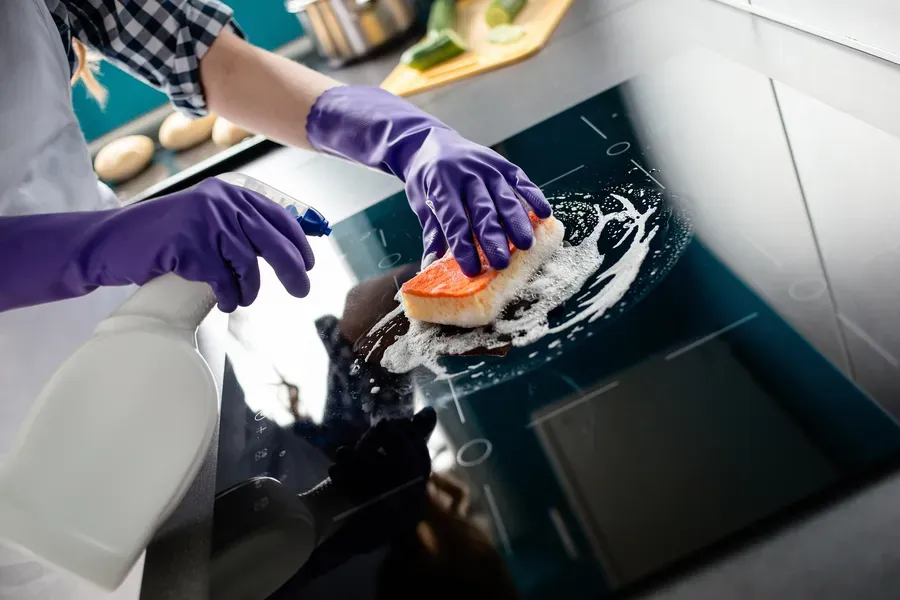
One of the most critical elements of a kitchen cleaning involves sanitizing all equipment. Items like ovens, stoves, and refrigerators require deep cleaning to remove grease and bacteria. Regularly cleaning these appliances helps maintain their efficiency and extends their lifespan. Proper sanitization ensures that all surfaces in contact with food are free from harmful germs.
Surface and Countertop Cleansing
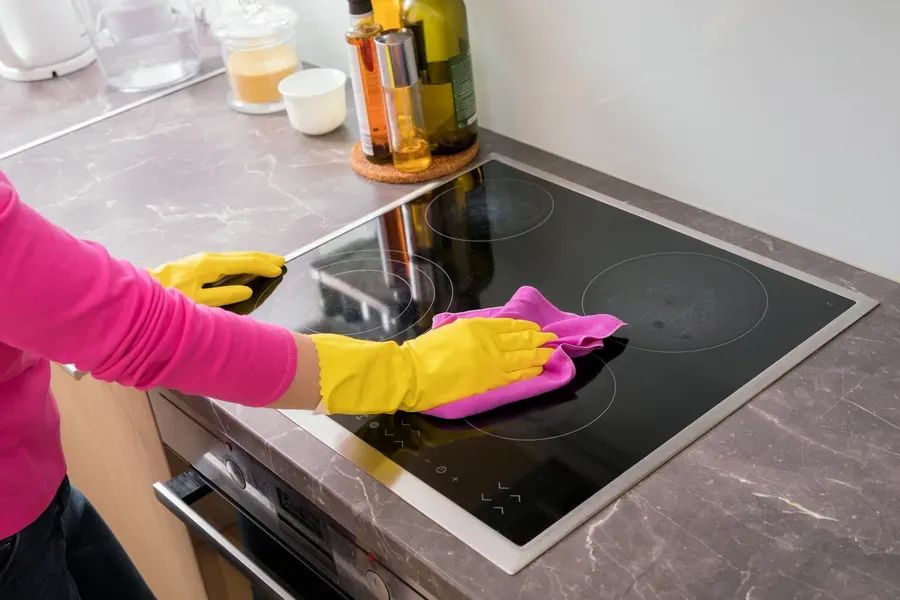
During any kitchen cleaning, paying attention to countertops and other surfaces is vital. These areas often come into direct contact with food, making thorough cleansing necessary to avoid contamination. Use disinfectant solutions suitable for different materials to ensure every surface stays spotless and safe for meal preparation.
Ventilation System Checkup
A frequently overlooked aspect in a comprehensive kitchen cleaning is the ventilation system. Regular maintenance of range hoods and exhaust fans is important to prevent grease buildup, which can become a fire hazard. Keeping these systems clear not only promotes better air quality but also enhances overall kitchen safety.
Floors and Wall Maintenance
Keeping floors and walls clean is essential for maintaining an inviting kitchen environment. Spills and splatters can create sticky surfaces if not addressed promptly. Use appropriate cleaners for tile, vinyl, or wood flooring to prevent slipping hazards. Pay extra attention to wall areas behind cooking stations where grime accumulation is common.
Proper Waste Disposal Practices
A complete kitchen cleaning checklist must include proper waste disposal methods. Regularly emptying trash bins and recycling containers prevents unpleasant odors and pest infestations. Ensuring that waste management protocols are in place contributes significantly to maintaining a sanitary kitchen space.
- Empty trash bins daily
- Use lined waste containers
- Recycle appropriate materials
- Seal garbage bags tightly
- Clean bins regularly
Organized Storage Solutions
An organized kitchen promotes easier access to utensils and ingredients. Evaluate and optimize storage spaces during professional cleanings to maximize efficiency. Ensure cabinets, drawers, and pantries are tidy and well-organized to prevent clutter and maintain orderliness in your cooking area.
The Importance of Routine Inspections
Routine inspections play a crucial role in identifying potential issues before they escalate. Checking for signs of wear and tear or damage during your regular cleaning schedule helps address problems early. It saves time and money in the long run by avoiding extensive repairs or replacements.
- Inspect appliances for unusual noises or leaks
- Check for worn-out seals or gaskets
- Review storage conditions for perishable items
- Identify any pest activity evidence
- Ensure compliance with local health regulations
Your Path to a Spotless Kitchen Environment
If you’re looking to achieve a pristine cooking space, focusing on these key areas ensures your kitchen stays hygienic and efficient. For expert help with maintaining your kitchen’s cleanliness, reach out today. Located in Bridgeport, CT, I provide personalized services tailored to meet your specific needs. Call (475) 393-4006 to learn more about how Cleaning Services With Isabel Lopez To Order can assist you in keeping your culinary workspace immaculate.